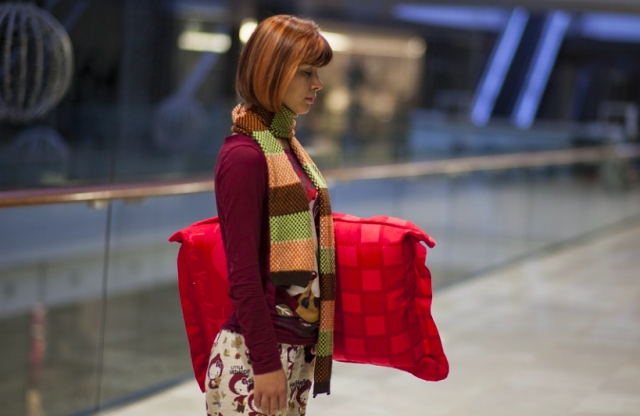
Sleepwalking, a neurological sleep disorder, is estimated to affect around 10% of the world's population. A sleepwalker, or literally "one who walks while sleeping," is a sleeping individual whose brain is only partially asleep. In most cases, sleepwalkers talk, either alone or with others, and may even interact with their surroundings. While their eyes are wide open, the sleepwalker's gaze is completely expressionless. This doesn't prevent them from avoiding furniture, tidying up, talking, eating, washing themselves, or even eating in the shower: almost anything has been observed in sleepwalkers.
But beware! There are different forms of sleepwalking, and some are far from amusing. Indeed, this sleep disorder can have serious consequences for both the sleepwalker and those around them. Sleepwalking is considered risky if episodes of sleepwalking are frequent, last more than 10 minutes, and lead the individual into dangerous situations. The most common example is that of a sleepwalking adult who gets behind the wheel of their car, but clumsy and violent behavior can also be observed.
If the violence is severe, it is referred to as "sleep terror," which is the most acute form of this sleep disorder. Unconscious, the sleepwalker is in a state of extreme anxiety, runs around, and acts very violently, shouting. Their heart rate, breathing, and muscle activity increase. As if in a trance, the individual is seized by compulsive movements throughout the episode and will remember nothing upon waking. This type of sleepwalking can recur several times a night, making it all the more dangerous. Be aware that if your child or partner experiences a sleepwalking episode, try to limit their movements, for example by locking your house, but only wake them in case of imminent danger, as there is nothing worse for a sleepwalker than being woken up in the middle of an episode.
Extreme cases remain completely marginal, so there's no need to worry if you have sleepwalkers in your circle or if you yourself are affected. However, if the disorder endangers the health of the sleepwalker or those around them, it is absolutely essential to consult a sleep disorder specialist. They will work with you to find a personalized solution, whether psychological or therapeutic.
 Antoine PANAITE Antoine PANAITE
|
 01/08/2021 |


















 |
| 






 Anglais
 Arabic
 Deutsch
 Français
 Español
 Italien
 Português
 Russian