Eczema, which affects 2.5 million people in France, causes itching, red patches, and sleep disturbances. This chronic condition results from an immune system dysfunction and a weakened skin barrier.
Topical corticosteroids remain the primary treatment, despite common patient concerns and limitations in their use. Corticosteroid-free alternatives, useful mainly for the face, can cause irritation and are not always covered by insurance.
If these treatments fail, cyclosporine, an oral immunosuppressant, acts quickly but causes numerous side effects and requires close monitoring. Dermatologists hope to replace it more often with better-tolerated treatments.
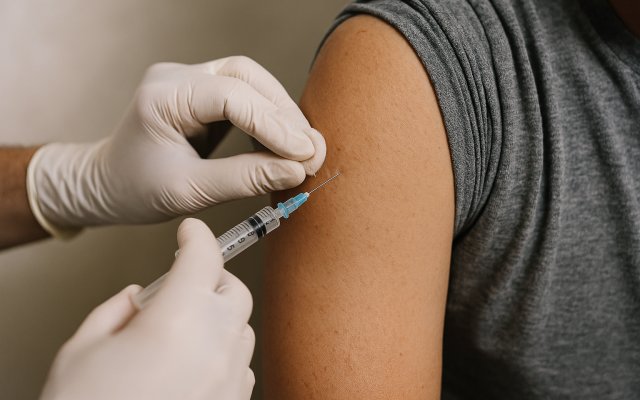
Biological therapies, injected every two weeks, precisely target certain inflammatory proteins. They allow about half of patients to significantly reduce their symptoms but can cause ocular side effects or a localized worsening of eczema.
JAK inhibitors, in tablet form, block the transmission of inflammatory signals. More effective but less well-tolerated, they increase the risk of infection and are contraindicated in several situations (smoking, pregnancy, cardiovascular history, or cancer).
Despite these limitations, specialists believe they are experiencing a period of rapid progress, raising hopes for treatments tailored to each individual. In the long term, research even aims to reset the immune system to cure eczema.
 Sophie de Duiéry Sophie de Duiéry
|
 06/06/2026 |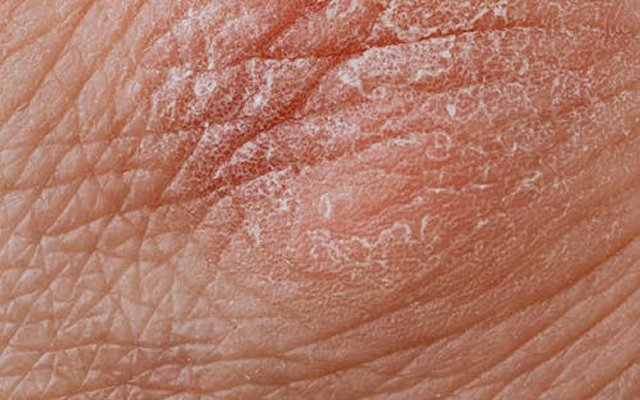




















































 Anglais
 Arabic
 Deutsch
 Français
 Español
 Italien
 Português
 Russian